The pilgrimage of San Abundio, which in 2026 will be held on April 25th and 26th, is much more than a simple tradition for the inhabitants of Hornachuelos; it is an expression of shared identity. During these days, the municipality is practically deserted, as all its residents come together to accompany their patron saint on a journey that culminates at the Fuente del Valle.
“"The day San Abundio goes up to Fuente del Valle, it's a party for the town. Shops, bars, restaurants close... Everything is practically empty."
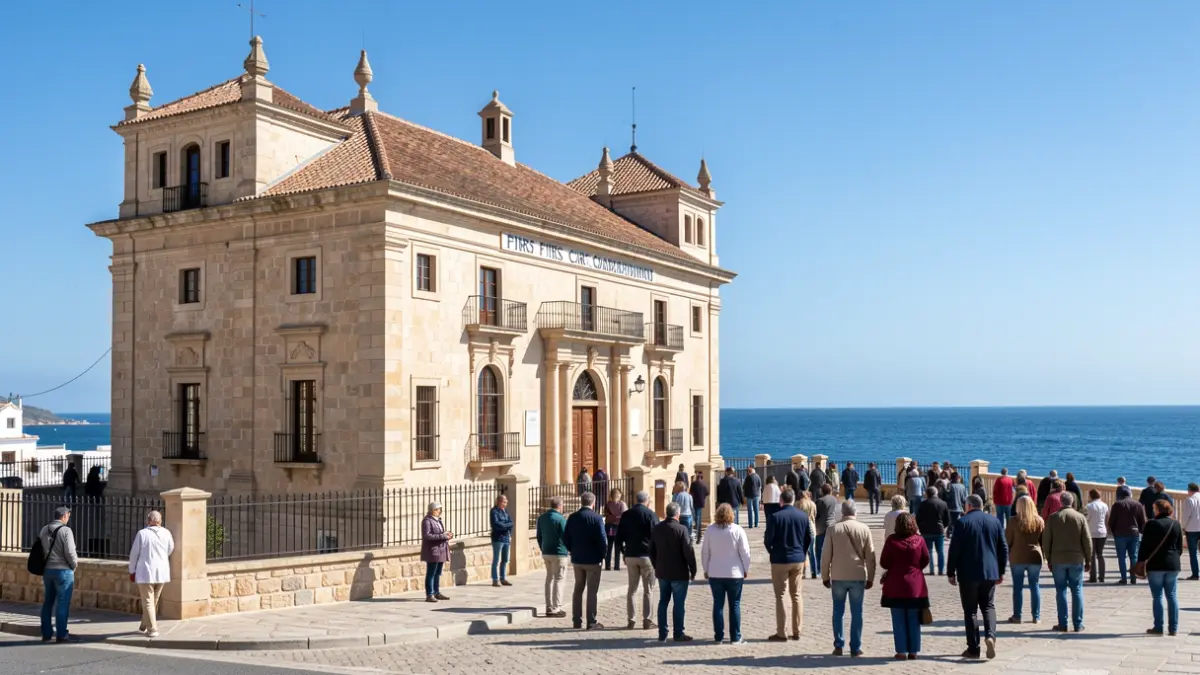
Although the pilgrimage of San Abundio does not boast centuries of history, its roots run deep. It originated in 1985 at the initiative of the community, which proposed the creation of a Brotherhood to organize a festivity in honor of the patron saint. A year later, in 1986, the Town Hall ceded land in the Fuente del Valle, where a hermitage was built, thus consolidating the annual celebration site.
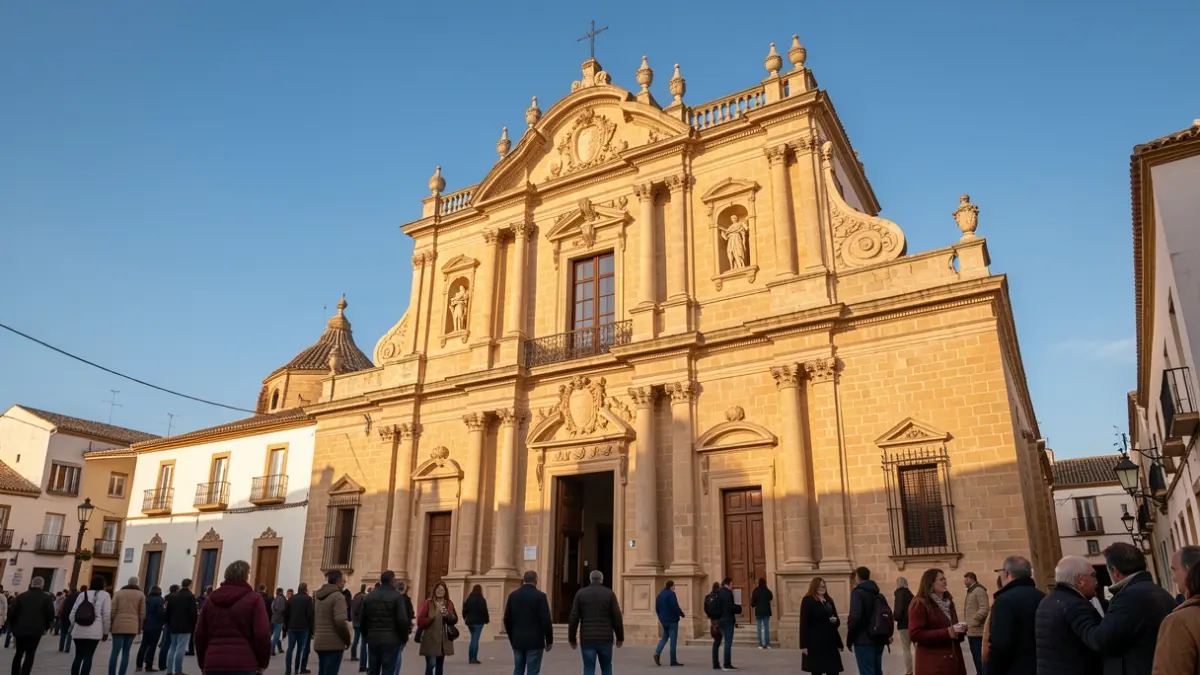
The festivities begin on Saturday, April 25th, with the traditional floral offering at the Parroquia Santa María de las Flores. These flowers, which spend the night with the saint, are carefully placed on the float by the Brotherhood at dawn on Sunday, a gesture symbolizing the devotion and recognition of the town towards its patron.
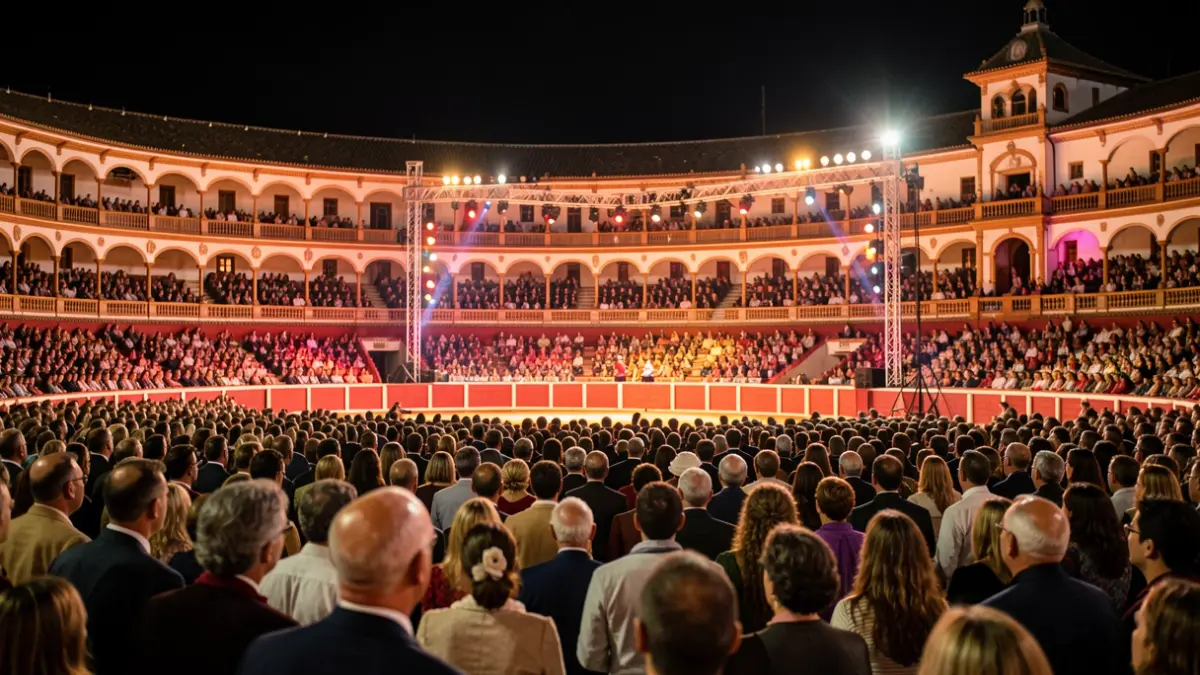
On Sunday, April 26th, the main day starts early with the departure from the parish. By midday, the journey pauses at the Ermita de la Fuente del Valle for the Romería Mass, which in recent years has featured a rociero choir, and in 2026 will be accompanied by the Coro Rociero de Céspedes. After the mass, the day becomes a space for coexistence, with shared meals and gatherings that extend until the return, scheduled for 7:30 PM.
The figure of San Abundio is a fundamental pillar in the identity of Hornachuelos. Born in the town itself and its parish priest, he was beheaded in the year 854 for refusing to convert to Islam. In 1748, the Town Hall named him patron of the municipality, and since then, his story has been kept alive through this pilgrimage, which every year transforms the town's routine into a path of encounter and belonging.